3 Days in Copenhagen: Food, Culture and a Day Trip to Malmö
Day 1: Classic Copenhagen Highlights
Start at Sankt Peders Bageri
Kick off your Copenhagen itinerary with coffee and pastries from Sankt Peders Bageri, the city’s oldest bakery, dating back to 1652. The poppyseed Danish is a local favorite, but every pastry here is perfection. As you explore Copenhagen, look for the pretzel sign above bakery doors — a symbol of authenticity that dates to medieval guild traditions.
Climb the Church of Our Saviour
On your way to Freetown Christiania, stop by the Church of Our Saviour and climb its 400 spiral steps for panoramic city views.
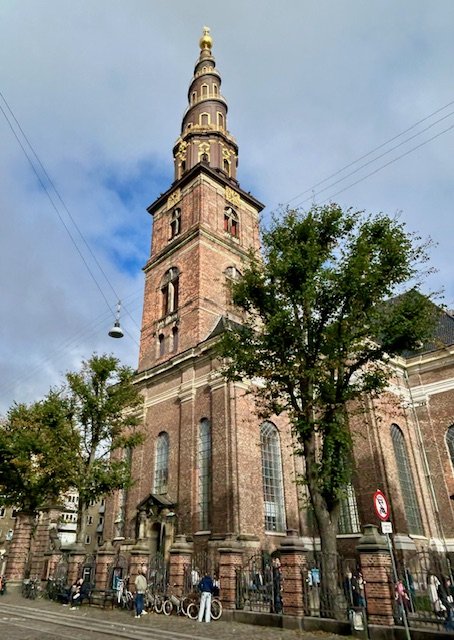
The Church of Our Saviour in Copenhagen’s Christianshavn district, known for its striking corkscrew spire.
Explore Freetown Christiania
Continue to Freetown Christiania, an intentional community in Christianshavn known for its colorful murals, eco-minded spirit, and alternative lifestyle.
Lunch at Broens Gadekøkken
Stop at Broens Gadekøkken, a lively street food market with global vendors and outdoor seating.
Walk Along Nyhavn
From there, stroll to Nyhavn, the city’s iconic waterfront lined with brightly painted 17th-century townhouses and wooden ships. Grab a drink at one of the many restaurants overlooking the canal.
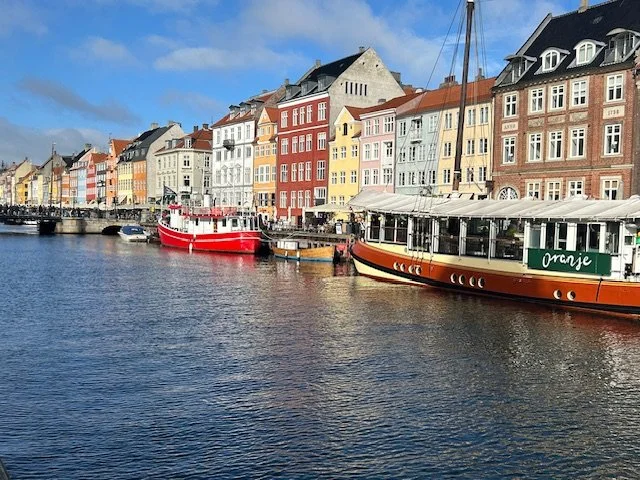
The vibrant facades of Nyhavn, one of Copenhagen’s most iconic districts. The canal is filled with historic ships and surrounded by lively cafes and bars
Afternoon at Tivoli Gardens
Spend your afternoon at Tivoli Gardens, one of the world’s oldest amusement parks (opened in 1843). It’s as magical for adults as it is for kids, with lush gardens, live music, and a surprisingly strong culinary scene. Thrill-seekers should ride the Star Flyer, which offers unmatched views of Copenhagen’s skyline.
Dinner in the Meatpacking District
If you leave Tivoli for dinner, head to the Meatpacking District (Kødbyen) — a former industrial area now filled with restaurants and bars. Try Paté Paté, a cozy bistro set in an old pâté factory, known for its Mediterranean-inspired plates and natural wines.
Day 2: Food, Wine & Design in Copenhagen
Morning at Torvehallerne Market
Start your second day at Torvehallerne Market, a modern indoor food hall featuring more than 60 vendors selling everything from local produce to artisanal chocolate. Try traditional Danish dishes like smørrebrød (open-faced sandwiches), kanelsnegle (cinnamon rolls), and gourmet hotdogs with crispy onions and remoulade.
Optional: Join a guided Copenhagen food tour to learn more about Danish culinary traditions and hidden local favorites.
Afternoon Shopping
Copenhagen is a design lover’s paradise. Spend your afternoon exploring:
Nørrebro: Eclectic design boutiques and concept stores.
Vesterbro: Great vintage shops like Carmen Copenhagen, PRAG Vesterbro, and Episode.
Collector’s Cage: A chic spot for curated designer handbags and accessories.
Wine at Ved Stranden 10
Before dinner, stop by Ved Stranden 10, a serene wine bar along the canal. There’s no menu — simply tell them your preferences, and they’ll open a bottle that fits your taste.
Cocktails at Ruby
Afterward, head to Ruby, one of Copenhagen’s most beloved cocktail bars. Set inside an elegant townhouse, it’s known for its creative drinks and expert bartenders.

Two cocktails on the marble bar at Ruby, one of Copenhagen’s most beloved cocktail bars.
Dinner at Bistro Boheme
End the night at Bistro Boheme, a refined restaurant offering French-inspired cuisine. Standout dishes include the cantaloupe with caviar and the lobster bisque.
Day 3: A Day Trip to Malmö & Nordic Dining
Morning: Train to Malmö, Sweden
Take the quick 40-minute train ride across the Øresund Bridge to Malmö, Sweden. Trains run frequently from Copenhagen Central Station.
Malmö Walking Route (2–3 hours)
Start at Stortorget Square, the city’s historic heart.
Stroll to Lilla Torg, a cobblestone plaza filled with cozy cafes.
Stop at St. Peter’s Church (Sankt Petri Kyrka), one of Malmö’s oldest landmarks.
Finish your walk at Malmö Saluhall, a modern indoor food hall perfect for lunch or coffee.
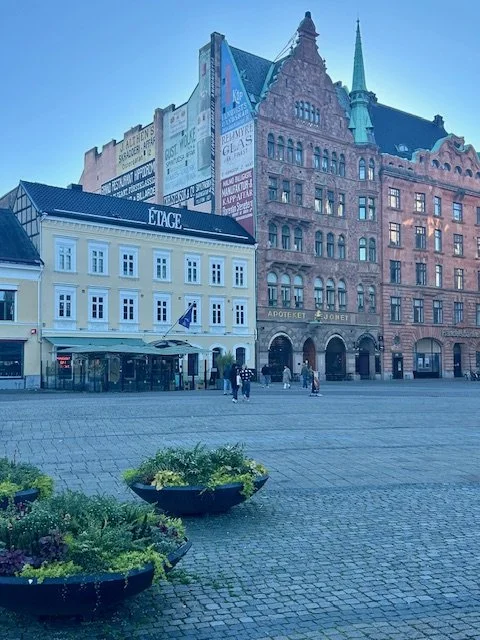
A view of Stortorget Square in Malmö, Sweden, featuring colorful historic buildings
Afternoon: Return to Copenhagen & Visit the Home of Carlsberg
Back in Copenhagen, tour the Home of Carlsberg — the original brewery founded in 1847. Learn about the brand’s history, visit the stables to meet the brewery horses, and sample a few beers.
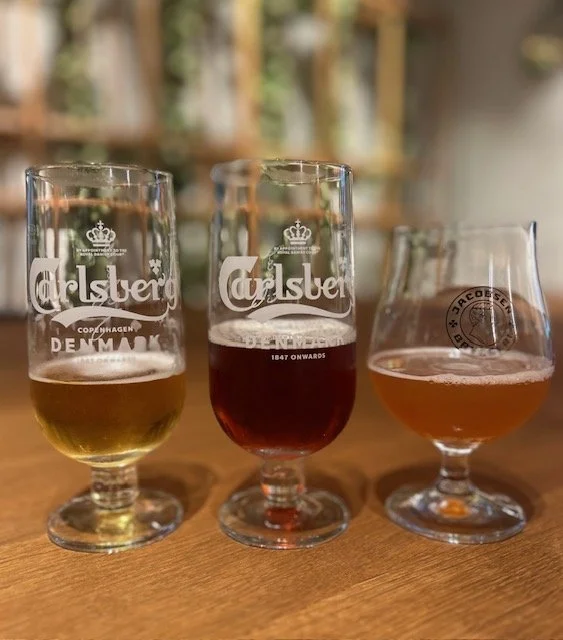
A close-up of three glasses of beer from Carlsberg Brewery in Copenhagen
Dinner at Vækst
Finish your trip with dinner at Vækst, one of the best restaurants in Copenhagen for Nordic cuisine. Its greenhouse-inspired interior, small seasonal menu, and wine pairing make it an unforgettable final meal.
Afterward, enjoy a nightcap across the street at Gaia Cocktails, known for its inventive drinks and relaxed atmosphere.
Getting Around Copenhagen
Copenhagen is safe, walkable, and easy to navigate. The metro is efficient for reaching further destinations like the Carlsberg Brewery, and Uber operates in the city as well.
Money Matters
Denmark uses the Danish Krone (DKK), not the euro. Most restaurants, shops, and markets accept credit cards, so there’s little need to carry cash.
FAQs About Visiting Copenhagen
Is 3 days enough for Copenhagen?
Yes — three days is ideal to see Copenhagen’s highlights, from Nyhavn and Tivoli Gardens to top restaurants and design districts. You’ll even have time for a Malmö day trip.
Can you visit Malmö in one day from Copenhagen?
Absolutely. The train ride is only 40 minutes, making Malmö one of the easiest and most rewarding day trips from Copenhagen.
Is Copenhagen walkable?
Yes, it’s one of Europe’s most walkable cities. You can explore most major attractions on foot, and the metro connects everything else efficiently.
Do you need cash in Copenhagen?
Not really. Credit and debit cards are accepted almost everywhere, including small cafes and markets.
What’s the best time to visit Copenhagen?
Late spring to early fall (May–September) offers pleasant weather and outdoor dining, while December brings cozy Christmas markets and festive lights.
Ready to plan your own unforgettable Scandinavian adventure? Reach out to start planning your journey today.